
From Arching and Crying to Happy, Fed, and Thriving: Baby Luke’s Story
They Thought It Was Just Normal. It Wasn’t. Here is Baby Luke’s Story.
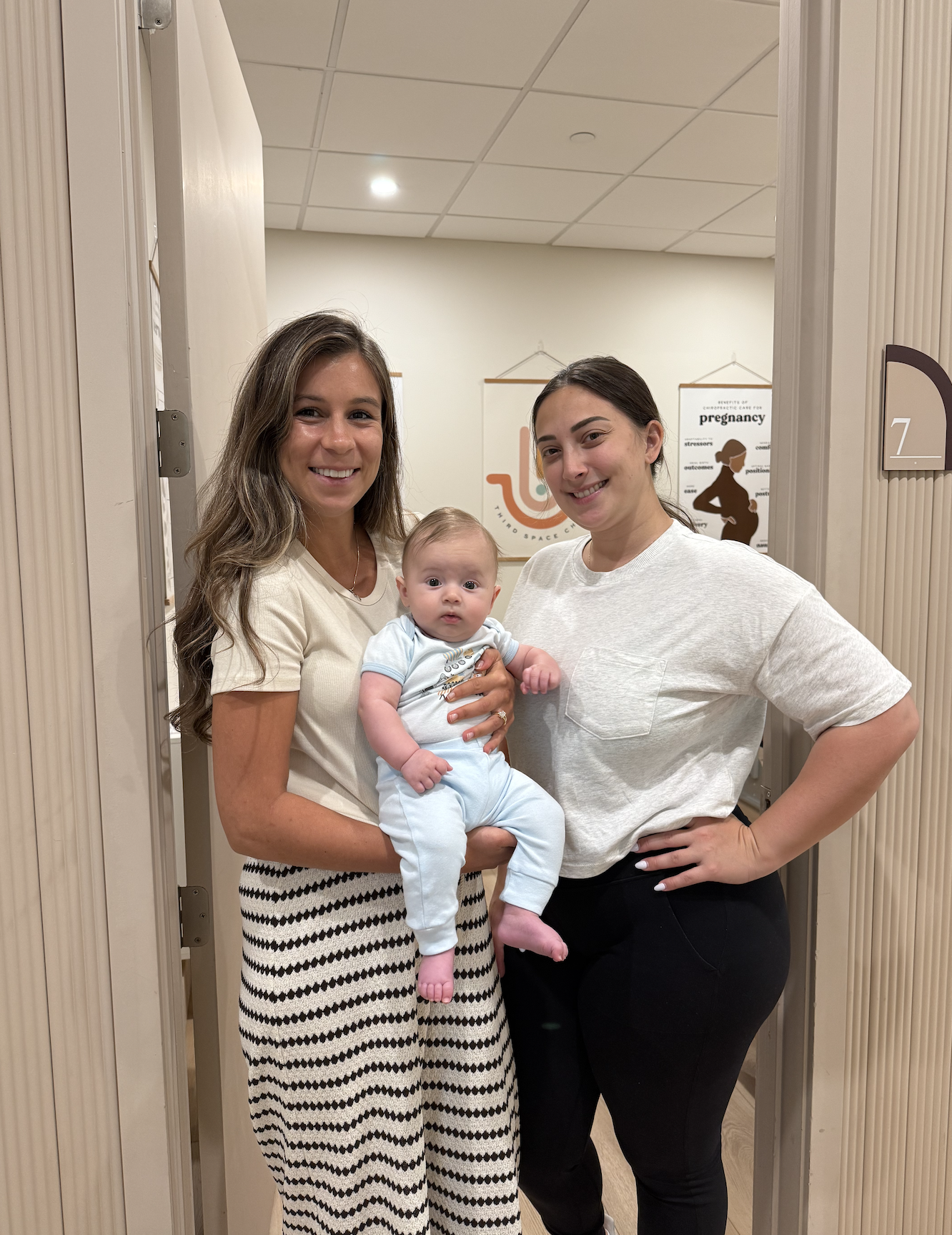
When Luke’s parents found me through a Facebook group, he was under 3 months old. Born via emergency C-section, diagnosed with laryngomalacia, a tongue tie, and already on Pepcid. He was arching constantly, crying through feeds, couldn’t finish a bottle, spit up daily, and could only turn his head to the left.
Dad said it best at that first visit: “I just don’t feel like this is normal.”
He was right. Here’s w
hat was actually going on
Why this happens
Birth, even a smooth one, is physically intense for a baby. C-sections, long labors, and interventions like vacuum or forceps can create tension and misalignment in the upper cervical spine — the area that protects the brainstem and regulates digestion, feeding reflexes, muscle tone, and sleep.
When that tension is present, it shows up everywhere. Reflux. Latch struggles. Gas. Head preference. Arching. These aren’t personality traits. They’re patterns with a root cause.
What changed
Using gentle, specific adjustments — no more pressure than you’d use to check a tomato for ripeness — we worked to release that tension and restore communication between Luke’s brain and body.
The shifts came quickly. Gassiness resolved 100%. No more straining. His head preference disappeared completely. His latch improved. He started sleeping better. He became a happier, calmer baby finally comfortable in his own skin.
Dad told his coworkers he was taking his newborn to a chiropractor and they thought he was crazy. His words after: “It’s so different than what I expected. Adjustments are gentle and their impact is amazing.”
If this sounds familiar
You’re not imagining it. And there are answers beyond medication.
Your baby’s nervous system is adaptable and knows how to heal — it just sometimes needs the right support. That’s what we’re here for.